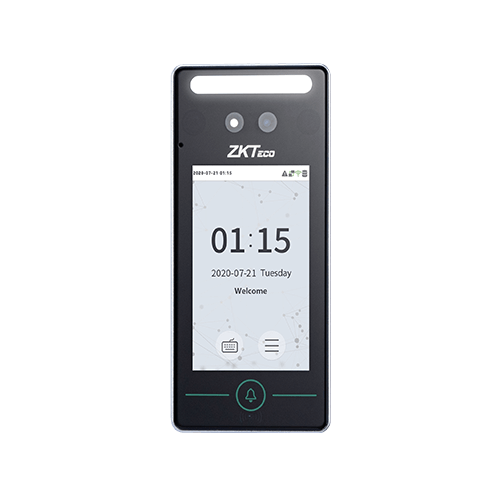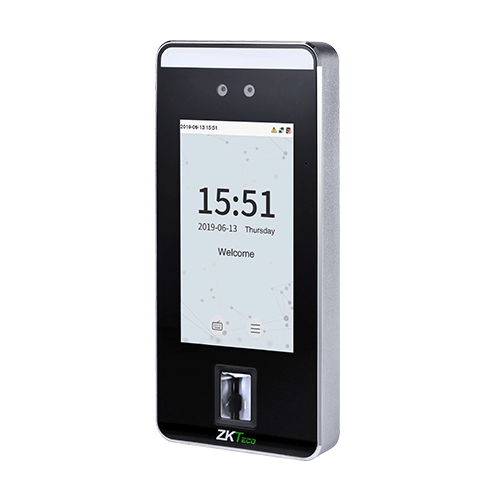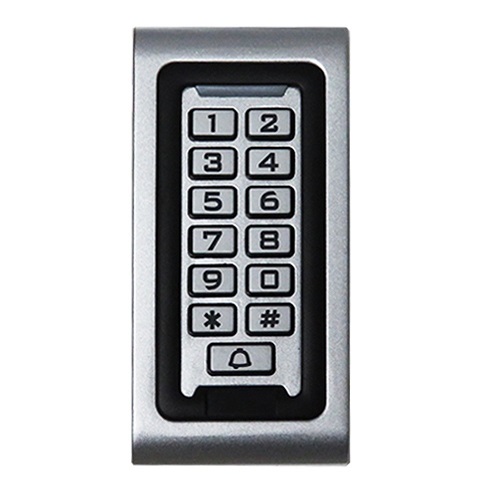
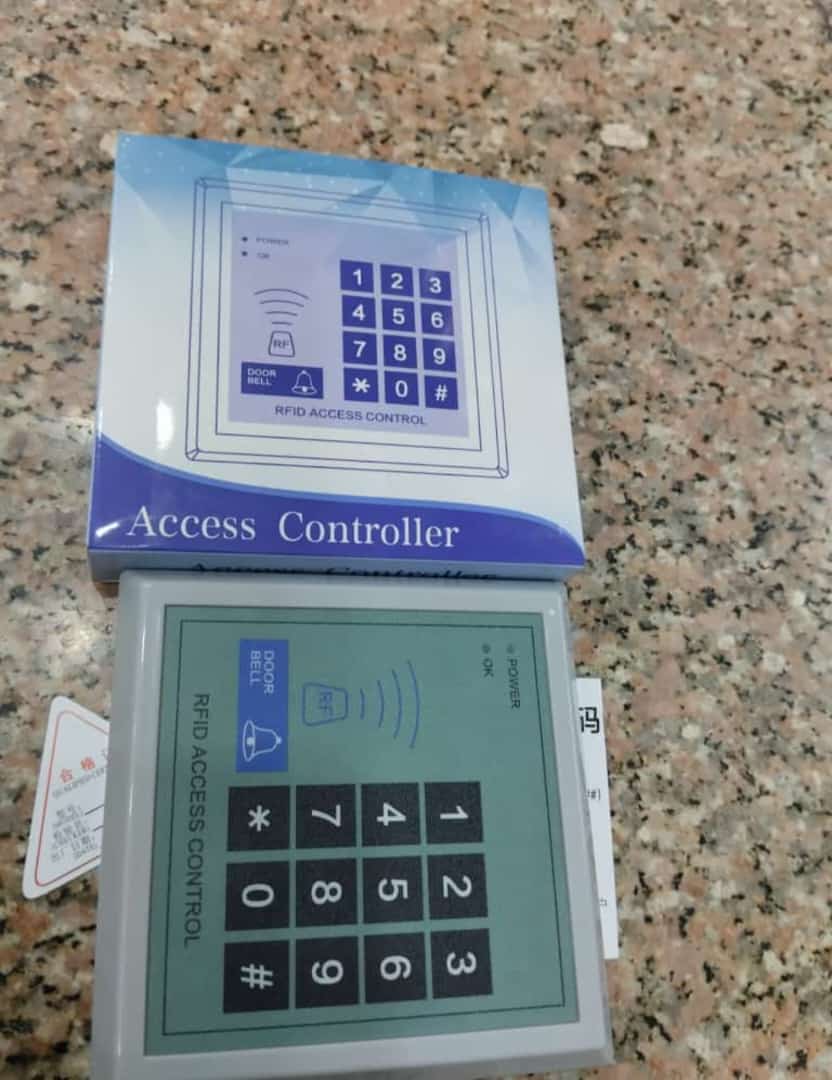
rfid access control
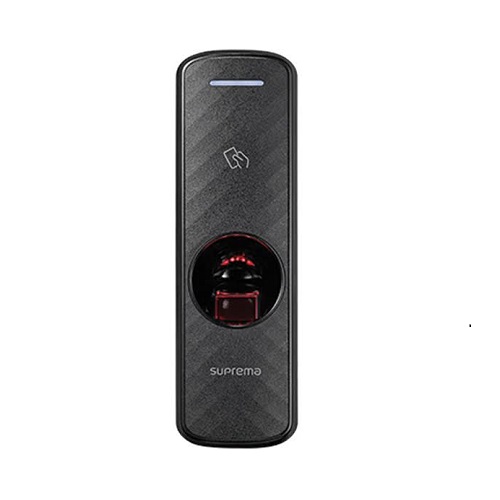
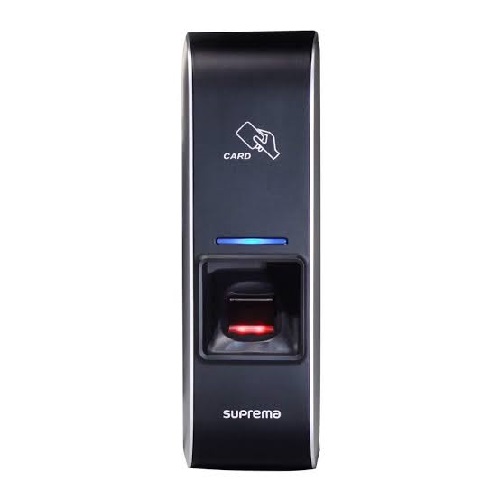
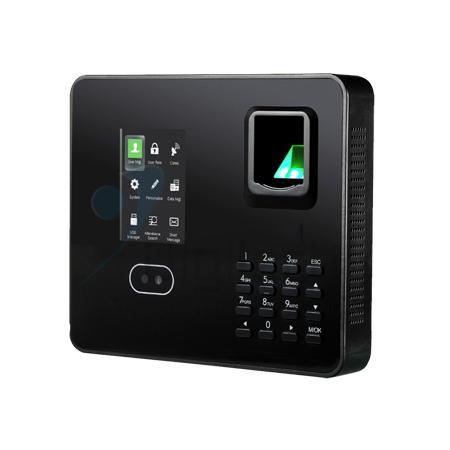
rfid access control systems use radio-frequency identification technology to wirelessly identify users via RFID tags (cards, fobs, or vehicle tags) and grant or deny access to facilities, vehicles, or equipment. These systems include RFID tags, readers, controllers, and electronic door locks, which work together to authenticate credentials, manage user permissions, and control entry. Applications for RFID access control are widespread, including residential and commercial buildings, public transport, and parking facilities, offering benefits such as increased security, speed, and user convenience compared to traditional locks
Nationwide
Delivery
Cash / M-Pesa
on Delivery
1 Year
Warranty
Expert Support
Mon-Sat
rfid access control how it works
n
-
n
-
n
nnnRFID Tag Proximity:
n
n
nAn authorized user presents an RFID tag (e.g., a card or key fob) to an RFID reader.
nnnnn
n
n
n
n
n
n
-
n
nnnTag Identification:
n
n
nThe reader wirelessly communicates with the tag, retrieving its unique identification number.
nnnnn
n
n
n
n
n
n
-
n
nnnSystem Authentication:
n
n
nThe reader sends this information to a central access control system, which verifies the user’s credentials and permissions.
nnnnn
n
n
n
n
n
n
-
n
nnnAction Triggered:
n
n
nIf the user is authorized, the system triggers the appropriate action, such as unlocking a door or opening a gate.
nnnnn
n
n
n
n
n
n
-
n
nnnStatus Notification:
n
n
nThe system can also send status updates to users, such as confirmation of granted access or notifications of failed attempts.
nnnnn
n
n
n
n
n
n
n
n
n
n
n
n
n
n
n
n
n
-
n
-
n
nnnRFID Tags:
n
n
nDevices like cards, key fobs, or vehicle tags that store user data and transmit it wirelessly.
nnnnn
n
n
n
n
n
n
-
n
nnnRFID Readers:
n
n
nDevices that read the information from RFID tags and send it to the control system.
nnnnn
n
n
n
n
n
n
-
n
nnnAccess Control System:
n
n
nThe central hardware and software that manages user credentials, permissions, and system logic.
nnnnn
n
n
n
n
n
n
-
n
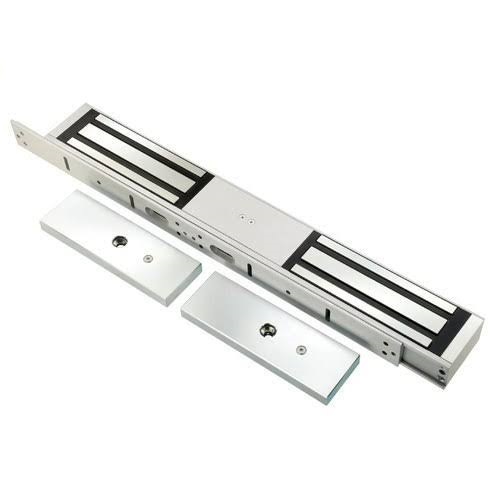
nnnElectronic Locks:
n
n
nDevices like electronic strikes or magnetic plates that physically lock or unlock doors based on commands from the control system.
nnnnn
n
n
n
n
n
n
n
n
n
n
n
n
n
n
n
n
-
n
- Building Access: Controlling entry to offices, residential buildings, and restricted areas.
nnnnn
n
n
- Transportation: Used in public transit for fare collection and vehicle access to parking garages.
nnnnn
n
n
- Asset Management: Tracking and managing assets within an organization.
nnnnn
n
n
- Event Ticketing: Providing access to events through RFID-enabled tickets.
nnnnn
n
n
n
n
n
n
n
n
n
n
n
n
-
n
-
n
nnnConvenience:
n
n
nEnables quick, contactless access without the need for keys.
nnnnn
n
n
n
n
n
n
-
n
nnnSecurity:
n
n
nProvides enhanced security over traditional lock-and-key systems, with features like user validation and activity logs.
nnnnn
n
n
n
n
n
n
-
n
nnnEfficiency:
n
n
nStreamlines access management, allowing for swift and seamless control of people and vehicles.
nnnnn
n
n
n
n
n
n
-
n
nnnVersatility:
n
Applicable across a wide range of industries and environments, including healthcare, education, and hospitalityn
n
n
n
n
n
n
n
n
Related Products