

Description
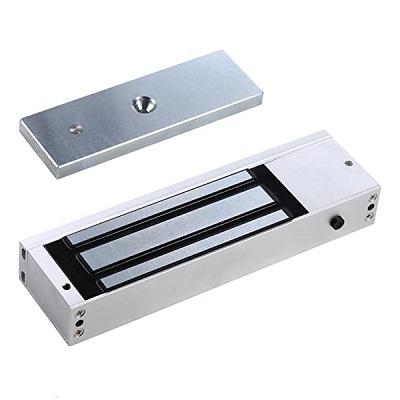
Double door magnetic lock include Manual, Armature Plate & Mounting Hardware For Basic Out-swing Applications
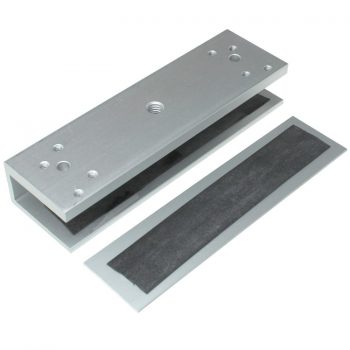
In-Swing applications of this maglock require brackets available above
Components:
- Electromagnet: Mounted on the door frame, it generates the magnetic field when energized.
- Armature Plate: Attached to the door, it is attracted to the electromagnet when the lock is engaged.
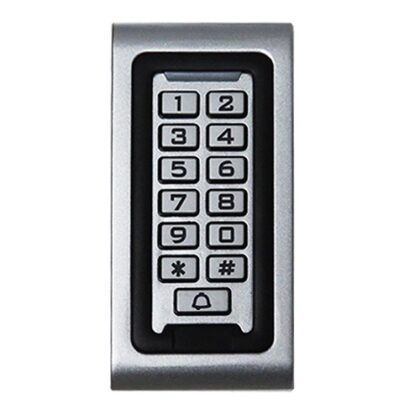
- Access Control System: This provides the electrical signal to activate or deactivate the electromagnet, often through a keypad, card reader, or remote release.
How it works:
-
1. Locking:
When the access control system authorizes access, it sends a signal to the electromagnet, which creates a magnetic field.
-
2. Attraction:
This magnetic field attracts the armature plate, holding the door securely closed.
-
3. Unlocking:
To open the door, the access control system deactivates the electromagnet, releasing the magnetic field and allowing the door to swing open.
Benefits:
-
High Security:
Maglocks are known for their strong holding force, making them difficult to bypass.
-
Fail-Safe Design:
Many maglocks are designed to fail open (unlock) in the event of a power failure, allowing for emergency egress.
-
Durability:
They have few moving parts, making them reliable and less prone to mechanical failure.
-
Versatility:
Maglocks can be used on various door types, including wooden, glass, metal, and fireproof doors.
Key Features:
-
Holding Force:
Measured in pounds (lbs) or kilograms (kg), indicating the strength of the magnetic bond.
-
Dual Voltage:
Some models can operate on either 12VDC or 24VDC, providing flexibility in installation.
-
Signal Output:
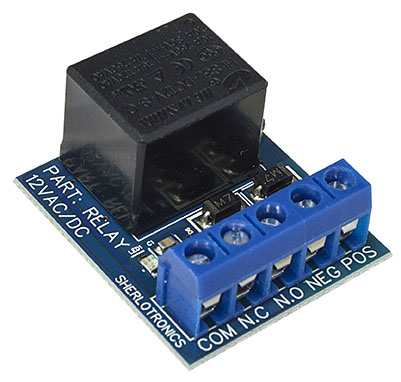
Some maglocks offer signal output (NO/NC/COM) for monitoring and integration with security systems.
- Built-in Features: Some include features like anti-residual magnetism and adjustable locking time
Reviews
There are no reviews yet.