
Description
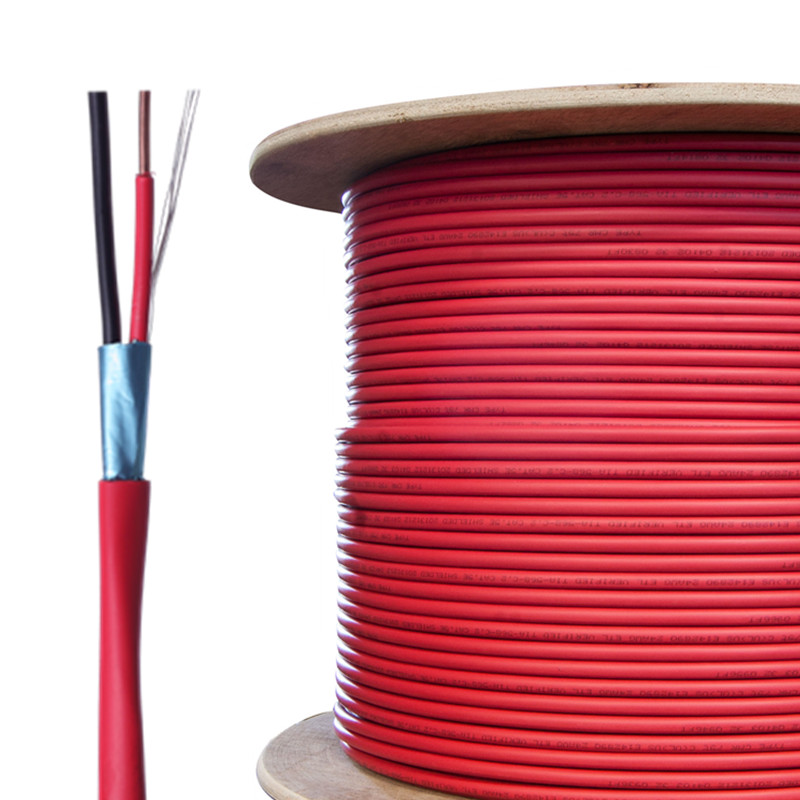
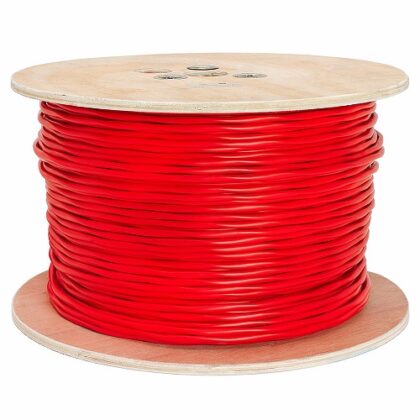
1.0mm fire alarm cable is a fire-resistant cable with a 1.0 mm² cross-sectional area, commonly used in fire alarm systems. It is designed to maintain circuit integrity for a specified period during a fire, allowing the alarm system to function and transmit signals. These cables are typically constructed with a plain annealed copper conductor, insulation, a separator, a drain wire, shielding (often aluminum PET), and a jacket.
Here’s a more detailed breakdown:
1.0mm fire alarm cable Construction:
- Conductor: Usually made of plain annealed copper wire, with options for different classes (e.g., Class 1, 2, or 5) according to EN60228.
- Insulation: Provides electrical insulation between the conductor and other components.
- Separator: Often a PET foil, acting as a barrier.
- Drain Wire: A solid tinned copper wire, often 0.80mm, to help with grounding and shielding.
- Shield: Typically includes an Aluminum PET layer with 100% coverage and 20% overlapping for electromagnetic interference (EMI) protection.
- Jacket: The outer layer, providing protection and often made of fire-retardant materials.
Key Features and Standards:
-
Fire Resistance:
Designed to withstand fire conditions for a specified duration (e.g., PH30, PH60, PH120, according to BS EN 50200).
-
Low Smoke and Halogen-Free:
Some versions are made with low smoke, zero halogen (LSZH) materials, crucial for public safety.
-
Standards:
Commonly adhere to standards like BS 7629-1, BS EN 50200, BS5839-1, and BS5266.
-
Voltage Rating:
Typically rated for 300/500V.
-
Bend Radius:
A minimum bend radius (e.g., 8 times the diameter) is specified to prevent damage during installation.
-
Applications:
Used in fire detection and alarm systems, emergency lighting, and voice communication circuits.
Important Considerations:
-
Circuit Integrity:
The cable’s ability to maintain signal transmission during a fire is crucial for the proper functioning of the alarm system.
-
Proper Installation:
Following recommended installation practices and standards is essential for optimal performance.
- Environmental Considerations: Depending on the application, factors like temperature, humidity, and exposure to chemicals should be considered when selecting the cable type.
Reviews
There are no reviews yet.